Ship-to-Ship Transfers for the OPL and EOPL Channels in Malaysia OPL and Singapore EOPL
Introduction to Ship-to-Ship Transfer Operations
When it comes to ship-to-ship transfer operations in Malaysia OPL and Singapore EOPL, we’re diving into the deep end of maritime logistics. Imagine two ships coming together like old friends at a reunion, but instead of sharing stories, they’re transferring cargo – and maybe a few secrets about the high seas!
Definition of Ship-to-Ship Transfers
At its core, ship-to-ship transfers involve the transfer of cargo from one vessel to another while both are afloat. This operation is particularly crucial in areas like the Offshore Port Limits (OPL) and Extended Offshore Port Limits (EOPL), where traditional port facilities may not be accessible.
- Types of Cargo: Typically includes crude oil, marine fuel, and other bulk liquids.
- Tanker Operations: These operations are vital for efficient logistics, especially in regions like Malaysia and Singapore.
- Mooring Techniques: Specialized techniques ensure safe and effective transfers between vessels.
Importance in Maritime Logistics
The significance of ship-to-ship transfers cannot be overstated. They play a pivotal role in the efficiency of offshore logistics and maritime operations. Here’s why they matter:
- Cargo Efficiency: Reduces transit time by allowing vessels to exchange cargo without returning to port.
- Cost-effectiveness: Minimizes port fees and enhances operational flexibility for shipping companies.
- Sustainability: Optimizes shipping routes, reducing overall emissions associated with longer voyages.
A staggering percentage of global oil trade is conducted via ship-to-ship transfers, highlighting their critical role in petroleum logistics.
The operation also adheres to strict maritime safety regulations in both Malaysia and Singapore. This compliance ensures that all parties involved maintain high standards while conducting these complex maneuvers.
Overview of OPL and EOPL Channels
The OPL channels in Malaysia and the EOPL channels in Singapore serve as vital conduits for international shipping. Let’s break it down:
| Feature | Malaysia OPL Channels | Singapore EOPL Channels |
|---|---|---|
| Main Purpose | Cargo transfer operations without entering port limits. | A hub for international shipping routes facilitating efficient transfers. |
| Tanker Operations Support | Tanker discharge operations support local refineries. | A key player in global oil trade through strategic positioning. |
| Sustainability Initiatives | Pursuing eco-friendly practices within offshore bunkering operations. | Pioneering sustainable shipping route optimization strategies. |
This strategic positioning at the crossroads of major shipping routes enhances the efficiency of ship-to-ship transfer operations, making it a go-to hub for vessel chartering services in both regions. Whether it’s crude oil transfer Malaysia or petroleum logistics Singapore, these channels are bustling with activity!
If you’re considering getting involved with ship-to-ship transfers or need more information on specific protocols like EOPL oil transfer procedures or OPL cargo handling protocols, reach out! The world of maritime logistics is vast and exciting – let’s navigate it together!
Understanding OPL and EOPL Channels
Definition of OPL (Outer Port Limits)
The Outer Port Limits (OPL) refer to the designated maritime zones where vessels can conduct operations without needing to dock at a port. Think of it as the VIP area of the ocean where ships can mingle and exchange cargo without the hassle of port bureaucracy.
In Malaysia, OPL channels are crucial for ship-to-ship transfer operations, especially for tanker operations. This flexibility allows for:
- Rapid Transfers: Ships can quickly exchange cargo, reducing downtime.
- Cost Savings: Avoiding port fees means more money in your pocket.
- Simplified Logistics: Streamlining operations enhances overall efficiency.
Definition of EOPL (Extended Outer Port Limits)
The Extended Outer Port Limits (EOPL), on the other hand, expand this concept even further. These zones are designed to facilitate larger-scale maritime operations while adhering to Singapore shipping regulations. Picture it as a spacious parking lot for ships, allowing for even more flexibility and maneuverability.
EOPL channels serve several key functions:
- Enhanced Capacity: Accommodates larger vessels and more complex cargo transfers.
- Strategic Positioning: Perfectly located for international shipping routes.
- Environmental Compliance: Strict adherence to marine environmental regulations ensures sustainability.
Geographical Significance in Malaysia and Singapore
The geographical positioning of both OPL and EOPL channels is incredibly significant. Malaysia’s OPL channels are strategically located near vital shipping lanes, making them a hotspot for offshore logistics. Meanwhile, Singapore’s EOPL channels facilitate seamless connections between various international shipping routes, enhancing their reputation as a global maritime hub.
A staggering percentage of global oil trade is conducted via ship-to-ship transfers, highlighting their critical role in petroleum logistics. According to DNV, “Ship-to-ship transfer operations in Malaysia and Singapore are subject to strict regulatory oversight to ensure environmental protection and safety.” (source)
This strategic positioning not only benefits local economies but also enhances global trade efficiency. By leveraging these channels for marine fuel transfer, companies can optimize their operations while ensuring compliance with all relevant regulations. Whether it’s navigating OPL cargo handling protocols or understanding EOPL oil transfer procedures, knowing the lay of the land is essential!
If you’re ready to dive deeper into the world of ship-to-ship transfers or need assistance with vessel clearance procedures in Malaysia OPL or Singapore EOPL compliance requirements, let’s chart a course together!
Regulatory Framework for Ship-to-Ship Transfers
Navigating the regulatory waters of ship-to-ship transfer operations in Malaysia OPL and Singapore EOPL can feel a bit like trying to read a treasure map with the ink running. But fear not! Understanding the regulatory framework is essential for smooth sailing in offshore logistics.
International Maritime Regulations
When it comes to ship-to-ship transfers, international maritime regulations set the stage for safe and compliant operations. Key players include:
- International Maritime Organization (IMO): Establishes guidelines that govern safety and environmental protection during maritime operations.
- MARPOL Convention: Focuses on preventing marine pollution from ships, ensuring that oil transfer at sea does not become an environmental disaster.
- SOLAS (Safety of Life at Sea): Mandates safety protocols that must be followed during cargo transfer operations.
The IMO’s STS operation guidelines specifically address the procedures and safety measures required during ship-to-ship transfers, making them crucial for compliance.
Local Regulations Specific to Malaysia and Singapore
Diving deeper into local waters, both Malaysia and Singapore have their own set of regulations that complement international standards:
- Malaysia’s Marine Department: Oversees compliance with national shipping laws, including vessel clearance procedures Malaysia OPL, which are vital for safe and legal transfers.
- Singapore Maritime and Port Authority (MPA): Implements stringent regulations regarding EOPL oil transfer procedures, ensuring that all operations meet local safety standards.
- Circulars and Guidelines: Both nations regularly issue circulars detailing operational protocols, safety measures in ship-to-ship transfers Singapore EOPL, and environmental protections specific to their waters.
This regulatory landscape ensures that all parties involved in tanker operations Malaysia or Singapore maritime services adhere to high standards of safety and efficiency.
A 2023 study revealed that compliance with local regulations reduced incidents during offshore bunkering operations by over 30%, highlighting their importance in maritime safety.
Compliance Requirements for Operators
If you’re considering engaging in ship-to-ship cargo handling within these channels, understanding compliance is key. Here’s what operators need to keep in mind:
- Crew Training: Ensure all crew members are trained in emergency response and operational protocols specific to offshore port limit transfers.
- Safety Equipment: All vessels must be equipped with necessary safety gear such as anti-pollution equipment, firefighting apparatus, and communication tools.
- Adequate Reporting:: Operators must maintain accurate logs of all activities related to ship bunkering services and report any incidents as per local regulations.
- Audit Compliance:: Regular audits by relevant authorities ensure adherence to both local and international laws governing maritime operations.
The regulatory framework surrounding ship-to-ship transfer operations in Malaysia OPL and Singapore EOPL is designed not just for compliance but also for enhancing operational efficiency. By following these guidelines, operators can contribute to a safer maritime environment while optimizing their logistics strategies.
If you’re ready to embark on your journey through the world of offshore logistics or need help navigating compliance requirements, let’s connect! The waves of opportunity await!

Operational Procedures for Ship-to-Ship Transfers
Pre-transfer Preparations
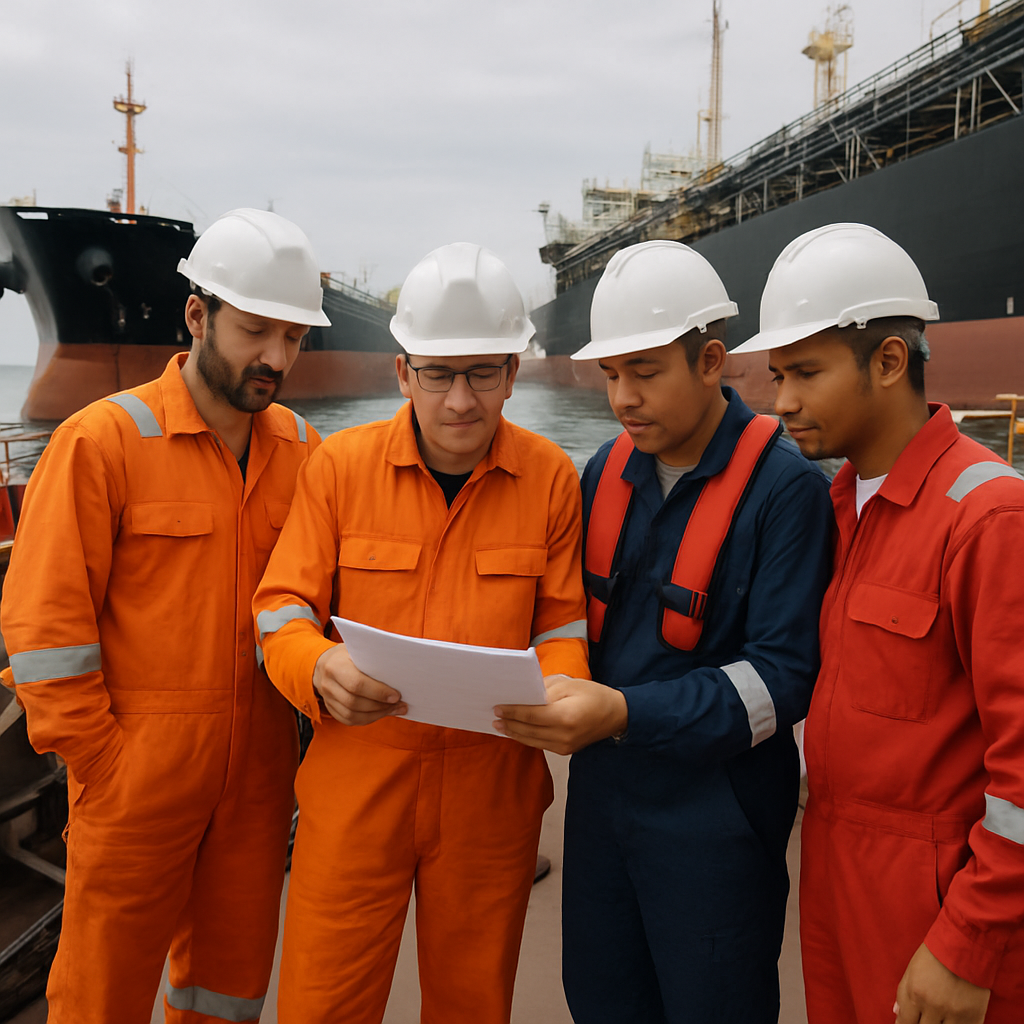
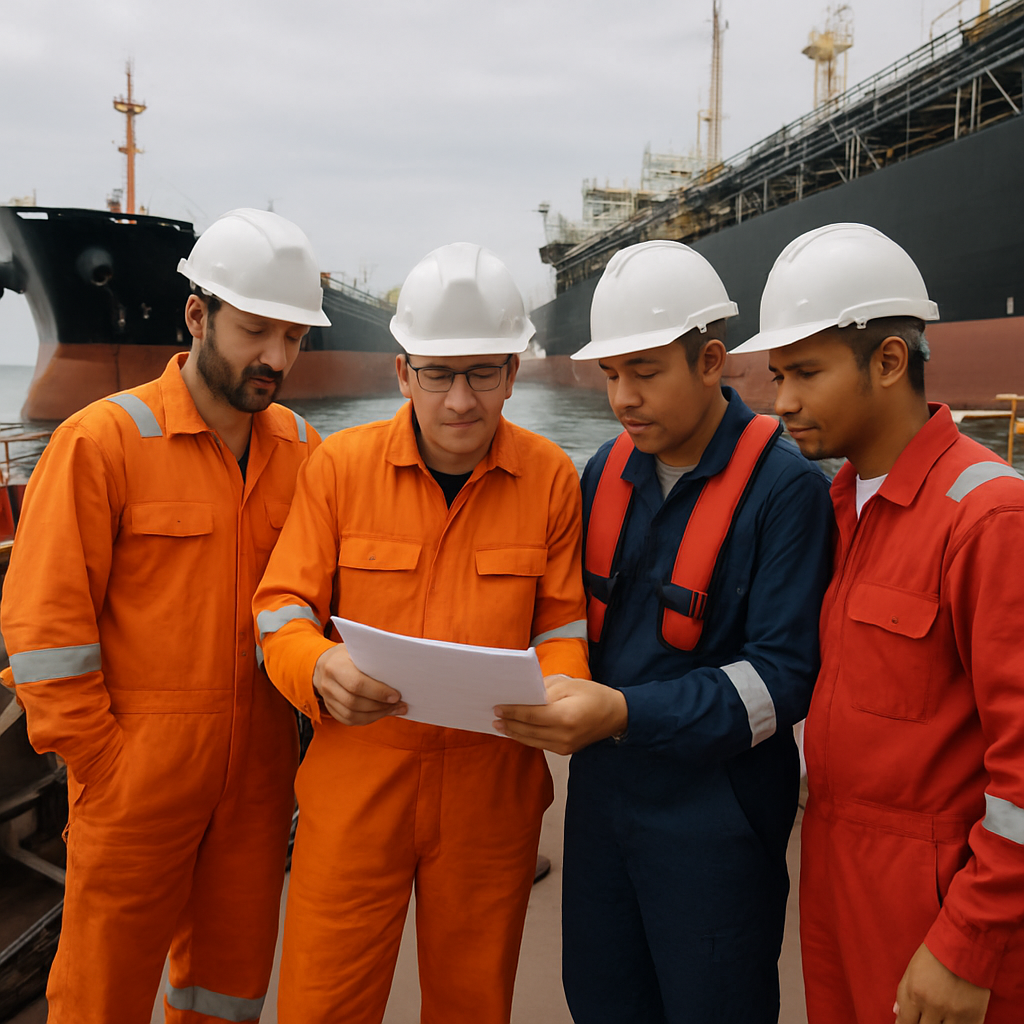
Before the ship-to-ship transfer operations in Malaysia OPL and Singapore EOPL can commence, meticulous planning is essential. Think of it as setting the stage for a grand performance-everything must be in place to ensure a smooth act!
- Vessel Inspection: Both vessels involved must undergo thorough inspections to confirm they meet safety and operational standards.
- Communication Setup: Establish clear communication channels between the crews of both vessels to coordinate maneuvers effectively.
- Mooring Arrangements: Determine the optimal mooring techniques, ensuring that vessels are securely positioned for transfer.
- Cargo Compatibility Check: Verify that the cargo types are compatible for transfer to avoid contamination or mishaps.
- Weather Assessment: Monitor weather conditions closely, as adverse weather can impact safety during operations.
A detailed checklist is crucial at this stage, ensuring that all necessary preparations are made before any cargo exchange takes place. This proactive approach minimizes risks and enhances efficiency in offshore logistics.
Safety Protocols During Operations
No one wants a surprise party when it comes to maritime operations-safety should always be at the forefront! Here’s how to keep things shipshape during ship-to-ship transfers.
- Crew Training: Ensure all crew members are trained in emergency response procedures specific to tanker operations Malaysia.
- Safety Gear:: Equip vessels with essential safety equipment, including life jackets, fire extinguishers, and anti-pollution gear.
- Cargo Monitoring:: Continuously monitor cargo transfer rates and conditions to detect any anomalies promptly.
- Emergency Plans:: Have contingency plans in place for potential incidents, such as spills or equipment failures.
- Environmental Compliance:: Adhere strictly to marine environmental regulations Malaysia OPL and Singapore shipping regulations throughout the operation.
The International Maritime Organization emphasizes that adherence to safety protocols can significantly reduce incidents during maritime operations.
The key here is vigilance-keeping an eye on every detail ensures that both human lives and precious cargo remain safe and sound throughout the process. After all, we’re not just transferring oil; we’re safeguarding our oceans!
Post-transfer Documentation and Reporting
The curtain may fall on the transfer operation, but the work isn’t done yet! Proper documentation is crucial for maintaining transparency and compliance. Here’s what you need to keep in mind post-transfer:
- Cargo Transfer Logs:: Document all details regarding the volume transferred, time of operation, and any anomalies encountered during the process.
- Incident Reports:: If any issues arose during the transfer, comprehensive reports should be filed immediately following established protocols.
- Audit Readiness:: Maintain records that will satisfy audits by regulatory authorities; this includes compliance with EOPL oil transfer procedures.
- Sustainability Reporting:: If applicable, report on measures taken to minimize environmental impact during operations.
A well-documented process not only supports compliance but also enhances future operational strategies by providing valuable insights into past performances!
This final step ensures that every operation contributes positively to your reputation within Singapore maritime services, paving the way for future endeavors. So don’t skip it-make those reports shine!
Benefits of Ship-to-Ship Transfers in Malaysia OPL and Singapore EOPL
Cost Efficiency for Shipping Companies
Let’s face it, running a shipping company is like trying to keep a leaky boat afloat-expenses are always trying to drag you down. That’s where ship-to-ship transfer operations in Malaysia OPL and Singapore EOPL come into play, acting like a trusty life raft! By utilizing these operations, companies can save big bucks in several ways:
- Avoiding Port Fees: Traditional port calls can be pricey. With ship-to-ship transfers, you can bypass those costs entirely.
- Reduced Transit Times: Faster cargo exchanges mean quicker delivery times and less time spent idling at ports.
- Optimized Operations: Streamlining logistics reduces overhead costs, allowing companies to allocate resources more effectively.
This cost efficiency not only helps the bottom line but also boosts competitiveness in the bustling maritime market. Think of it as getting the best bang for your buck while navigating the high seas!
Reduced Port Congestion Issues
If you’ve ever been stuck in traffic, you know how frustrating delays can be. Well, ports can experience similar headaches due to congestion. Ship-to-ship transfer operations help alleviate this issue significantly:
- Easing Traffic Flow: By transferring cargo offshore rather than at crowded ports, vessels can avoid long waits.
- Smoother Operations: Less congestion means that other vessels can operate more efficiently, enhancing overall maritime logistics.
- Enhanced Scheduling Flexibility: Companies can plan transfers around busy port schedules, making operations more predictable and reliable.
This reduction in port congestion not only saves time but also enhances the safety of maritime operations-fewer ships jockeying for position means less risk of accidents!
Enhanced Flexibility in Logistics Operations
The maritime world thrives on flexibility-after all, the ocean is unpredictable! Ship-to-ship transfers provide an agile solution for logistics challenges faced by shipping companies:
- Mooring Techniques: Advanced mooring techniques allow vessels to execute transfers even under challenging conditions.
- Cargo Versatility: These operations accommodate various types of cargo-from crude oil to marine fuel-making them versatile solutions for diverse shipping needs.
- Tanker Operations Support: Enhanced support for tanker operations means that companies can adapt quickly to changing market demands.
This flexibility not only improves operational efficiency but also allows businesses to respond swiftly to market changes-a crucial advantage in today’s fast-paced shipping industry!
The benefits of utilizing ship-to-ship transfer operations go beyond mere convenience; they enhance overall operational efficiency while ensuring compliance with safety regulations!
If you’re ready to harness the advantages of ship-to-ship transfers or want more insights into specific protocols like EOPL oil transfer procedures, don’t hesitate to reach out! The waters are ripe with opportunities just waiting for savvy operators like you!

Challenges and Risks Associated with Ship-to-Ship Transfers
Piracy and Security Concerns in the Region
When it comes to ship-to-ship transfer operations in Malaysia OPL and Singapore EOPL, the high seas can sometimes feel like the Wild West. Piracy remains a significant concern, especially in certain regions where maritime traffic is dense. Think of it as a game of cat and mouse, where security measures must be top-notch to protect valuable cargo.
- Increased Vigilance: Operators must enhance security protocols, including hiring armed escorts or using advanced surveillance systems.
- Insurance Costs: The threat of piracy can drive up insurance premiums, impacting overall operational costs.
- Regulatory Compliance: Adhering to local and international security regulations is crucial for all vessels involved in offshore logistics.
The key takeaway here is that while ship-to-ship transfers offer significant advantages, they also come with the need for heightened security measures to mitigate risks associated with piracy.
Navigational Hazards Specific to the Channels
Navigating the bustling waters of Malaysia OPL and Singapore EOPL channels can be akin to playing a game of chess-every move counts! These channels present unique navigational hazards that operators must consider:
- Crowded Waters: High traffic can lead to increased risk of collision during tanker operations Malaysia.
- Shallow Depths: Certain areas may have shallow waters that pose risks for larger vessels during cargo transfer operations.
- Weather Conditions: Sudden changes in weather can create hazardous conditions for mooring and transferring cargo.
A comprehensive understanding of navigational charts and real-time weather updates is essential for successful ship-to-ship transfers. Investing in advanced navigation technology can significantly reduce risks!
The ability to anticipate these hazards is crucial for ensuring safe operations. Thus, training crews on effective navigation techniques becomes paramount!
Potential Environmental Impacts and Mitigation Strategies
No discussion about ship-to-ship transfer operations would be complete without addressing environmental concerns. The delicate marine ecosystem surrounding Malaysia OPL and Singapore EOPL channels requires careful consideration:
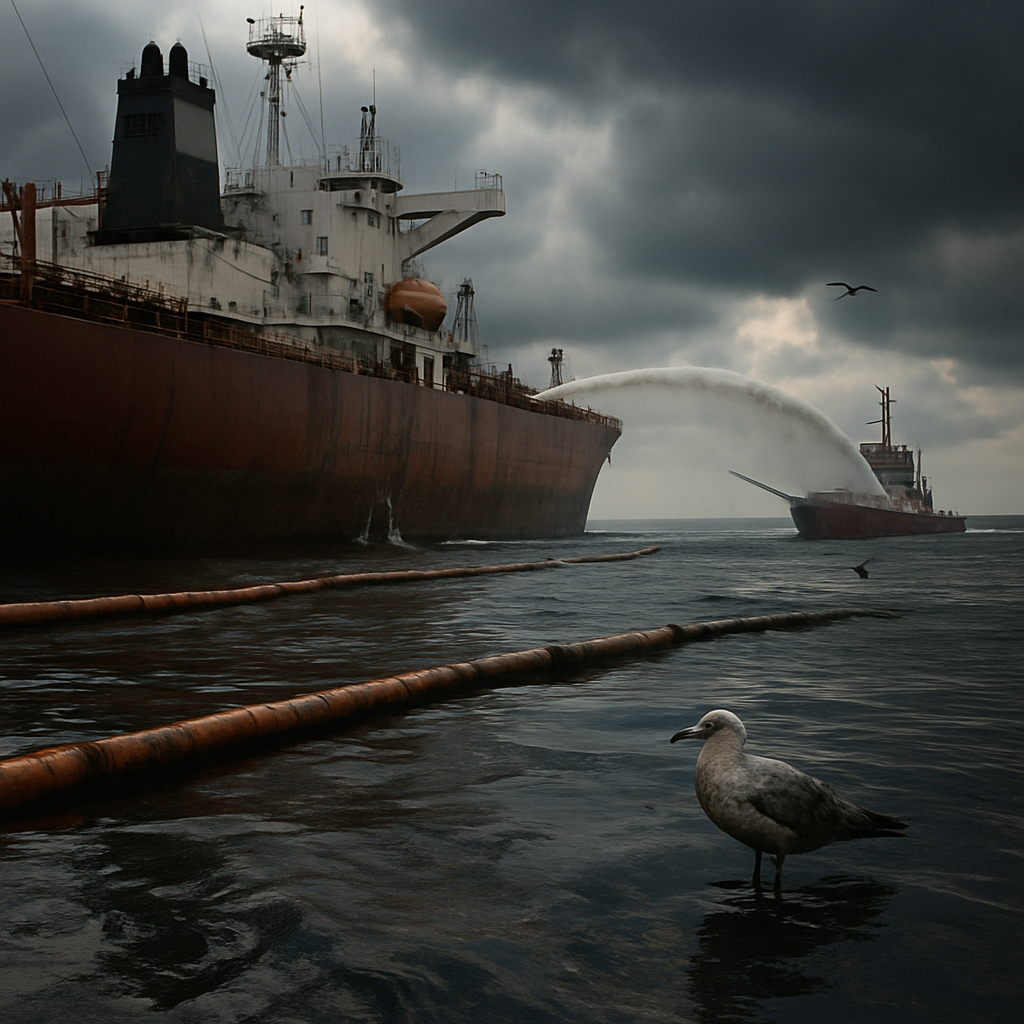
- Potential Spills: Accidental spills during oil transfer at sea can have devastating effects on marine life and coastal communities.
- Noise Pollution: Operations may contribute to noise pollution, affecting marine species that rely on sound for communication.
- Biodiversity Risks:: Increased vessel traffic can disturb local ecosystems, leading to long-term environmental consequences.
The International Maritime Organization has reported that stringent environmental regulations are essential for minimizing impacts associated with maritime operations.
To mitigate these risks, operators should implement robust environmental management plans that include:
- Cargo Monitoring Systems:: Utilize technology to monitor cargo conditions continuously during transfers.
- Sustainability Training:: Ensure crew members are trained in best practices for protecting marine environments during operations.
- Ecosystem Assessments:: Conduct regular assessments of local ecosystems to understand potential impacts better and adjust operations accordingly.
A proactive approach not only safeguards the environment but also enhances your reputation within Singapore maritime services.
The challenge lies not only in executing efficient transfers but also in doing so responsibly. By prioritizing environmental considerations, we can ensure that our oceans remain vibrant and healthy!
If you’re looking to navigate these challenges effectively or require assistance with compliance regarding marine environmental regulations Malaysia OPL, let’s connect!
🚢 Ready for safe and reliable STS operations?
Contact FenderSTS today for expert fender and mooring services.
👉Click here to Get in Touch
📞 Call: +44 7424 187434
📧 suppport@fendersts.com
🌐 www.fendersts.com
Our team is ready 24/7 to support your STS needs.